
Ramadan is a time of reflection, prayer, and community. For people living with diabetes, it can also bring questions about how to balance faith and health, and whether fasting safely is possible.
The good news is that with the right preparation and the right support, many people with diabetes are able to fast during Ramadan. The key is planning ahead.

Planning Ahead
Before Ramadan begins, speak to your doctor or nurse. They can advise on whether fasting is safe for you, and if so, how to adjust your medication, diet, and blood sugar monitoring during that time.
If fasting isn’t safe, Islam recognises that people with health conditions are exempt. There are other meaningful ways to observe Ramadan, including giving to charity or supporting others in your community.
Fasting safely: what helps
If your doctor has confirmed that fasting is safe, these steps can help you manage your diabetes during Ramadan.
Eat well at Suhoor and Iftar
Choose foods that release energy slowly, like oats, lentils, whole grains, and vegetables. Include protein-rich foods such as eggs, beans, and yoghurt to help you stay full for longer. Try to avoid sugary drinks, deep-fried snacks, and heavily processed foods, as these can cause blood sugar to spike.
Keep an eye on your blood sugar
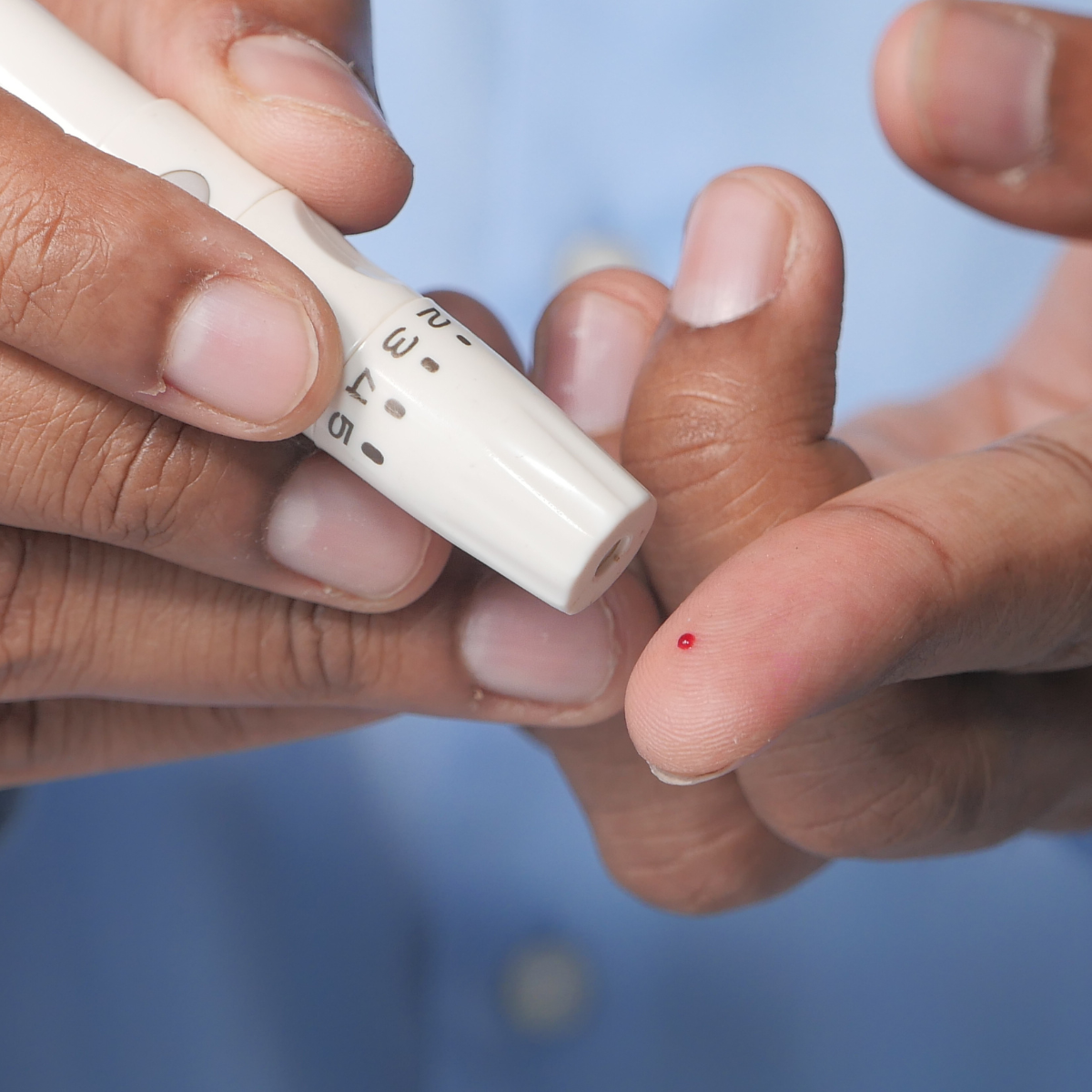
Check your blood sugar regularly, even while fasting. Testing does not break your fast. If your levels drop too low or rise too high, break your fast and seek medical help. Signs to watch for include dizziness, extreme thirst, tiredness, or confusion.
Talk to your doctor about your medication
Your doctor may need to adjust your medication or insulin before Ramadan begins. Never stop or change your medication without speaking to them first.
Stay hydrated
Drink plenty of water between Iftar and Suhoor. Try to limit sugary drinks and caffeine, which can contribute to dehydration.
Listen to your body
If you feel weak, dizzy, or extremely unwell, break your fast. Your health comes first, and Islam makes provision for this.
Looking after yourself during Eid
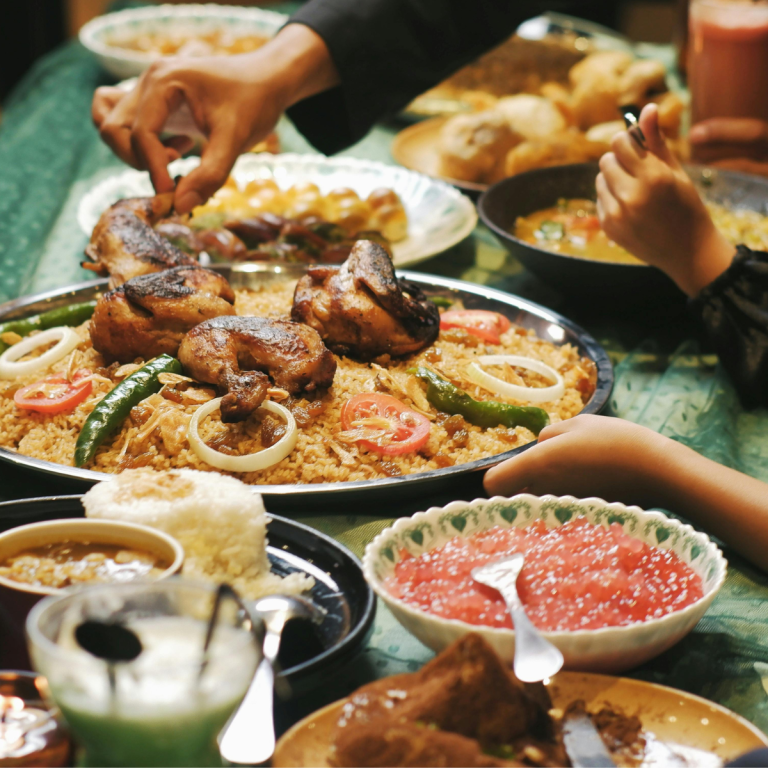
Eid is a time to celebrate, and food is a big part of that. Enjoying traditional dishes is absolutely fine. Balancing them with plenty of vegetables, lean proteins, and fibre-rich foods can help keep blood sugar stable.
A gentle walk or some light activity can also help, and it’s worth continuing to check your levels and follow your medication plan throughout.
Five tips for a healthier EidFurther support and resources
Diabetes and Ramadan
For more detailed guidance, the Diabetes UK Ramadan Guide offers expert advice and real experiences from people who fast with diabetes.Diabetes UK Helpline
You can also call the Diabetes UK Helpline on 0345 123 2399 to speak to a trained advisor.NHS 111
If you’re not able to get hold of your GP or diabetes team, and you need urgent medical help, you can use the NHS 111 online service.This page shares general information and is not a substitute for medical advice. Always speak to your doctor or healthcare team before making any changes to how you manage your diabetes.