Staying Breast Aware To Stay Healthy
Getting to know your body is one of the most important things you can do for your health. When you know what feels normal for you, you’re much more likely to notice when something seems different.
Checking your breasts regularly takes just a few minutes, and it could make a real difference. Early detection saves lives.
Why check monthly?
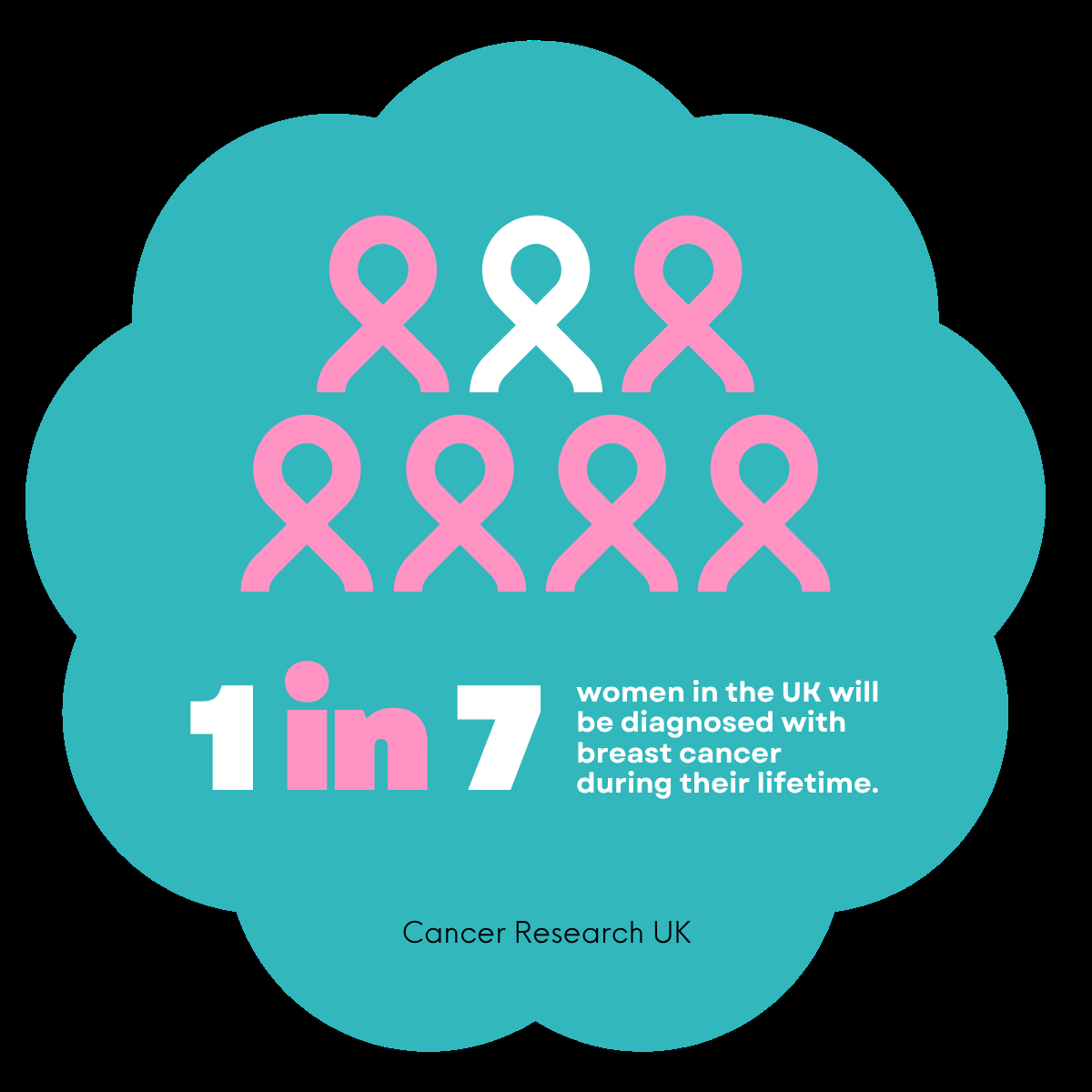
1 in 7 women in the UK will be diagnosed with breast cancer during their lifetime. That’s not meant to frighten you. It’s a reason to feel confident about checking regularly, so that if anything does change, you’ll be the first to know.
The more familiar you are with how your breasts normally look and feel, the easier it is to spot something that seems different. That’s all this is about.
When to check
Try to check at the same time each month so it becomes a habit. If you have periods, a few days after they end is a good time, when your breasts are less likely to feel tender. If you no longer have periods, just pick a day that works for you and stick to it.
How to check
There’s no single right way to do a breast self-check, but these steps will help you cover all the right areas.

Look first
Stand in front of a mirror with your arms by your sides. Look for any changes in size, shape, or symmetry. Then raise both arms above your head and look again. Finally, place your hands on your hips and lean slightly forward, checking for any dimpling, swelling, or unusual skin texture.

Then feel
Keep your middle three fingers flat and together. Using gentle then slightly firmer pressure, work across the whole chest area including your armpits and collarbone. You can use a circular pattern starting from the nipple, or move your fingers up and down in straight lines. Some people find it easier to do this lying down or in the bath, where breast tissue is flatter and skin is more slippery.
Take your time and make sure you cover everything.
NHS demonstration
NHS doctor Dr Sayaada demonstrates how to do a breast self-check in this short video.
She uses a knitted breast model to show the technique clearly, which makes it a lot easier to follow than you might expect.
Changes to look and feel for

During your check, keep an eye out for anything that seems different from usual. The illustration above shows the key changes to be aware of, including lumps or thickening of the skin, changes in size or shape, unusual liquid from the nipple, nipple changes or pulling in, a rash or crust around the nipple, redness or changes in skin colour, puckering or changes in skin texture, and breast pain that lasts a long time.
If you notice any of these, don’t panic. Most changes turn out to be harmless. But do get them checked by your GP.
Frequently Asked Questions
There’s no strict technique, but taking your time and working carefully across the whole chest area, including the armpits and collarbone, is what matters most.
The goal is simply to get to know what feels normal for you, so that anything different stands out.
Try not to worry.
Many lumps and changes are harmless, such as cysts or benign growths. But it’s still important to see your GP so they can take a proper look. Finding something early, even if it turns out to be nothing, is always the right thing to do.
Your GP will ask about the change and examine your breasts, including your armpits and collarbone. Depending on what they find, they may reassure you straight away or refer you to a breast clinic for further tests such as a mammogram, ultrasound, or biopsy. A referral doesn’t mean cancer. It’s just a way of making sure everything is checked properly.
All women registered with a GP between the ages of 50 and 71 are invited to attend routine breast screening. It’s important to go when your invitation arrives, as the risk of breast cancer increases with age.

Further resources
Breast Cancer Now
Breast Cancer Now is an NHS recognised charity offering expert advice, an online forum, and a free helpline where you can speak directly to a specialist breast care nurse.Breast Cancer UK
Breast Cancer UK focuses on education around the lifestyle habits that can help reduce the risk of breast cancer.NHS Breast Screening Information
The NHS website has information about breast self-checking, breast cancer, and the NHS Breast Screening Programme.